

Choosing among senior living communities can feel overwhelming for families. Many people begin by comparing prices, floor plans, and amenities. However, those factors tell only part of the story. The best communities offer far more than square footage or monthly rates.
Instead, families should look closely at daily life, culture, and the overall experience residents receive. Communities such as Norwood Crossing in Chicago focus on the elements that truly shape quality of life. When comparing options, here are several important factors families often overlook.
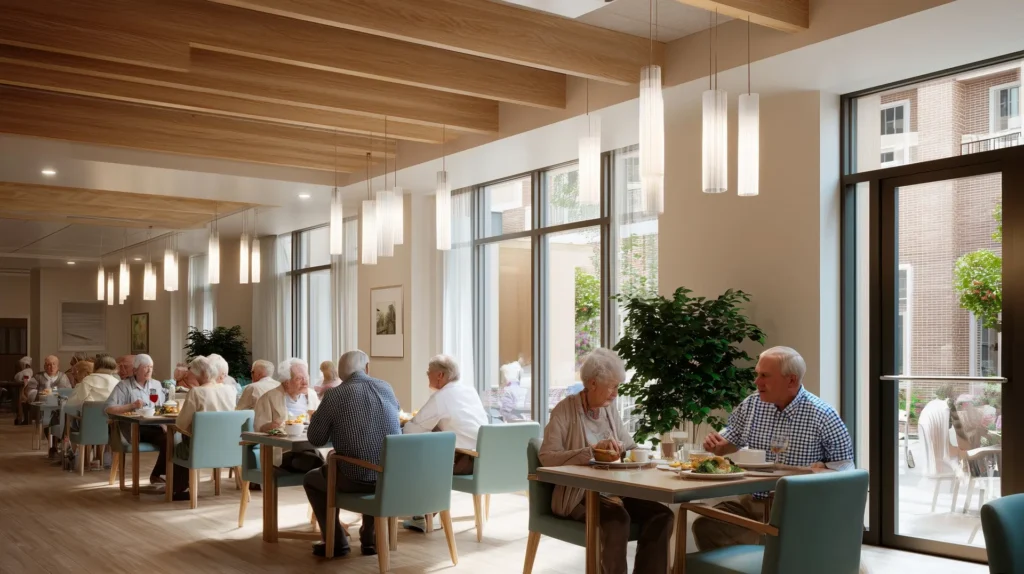
1. Community Culture Matters
First, consider the atmosphere of the community. Culture affects how residents feel each day.
For example, observe how residents interact with one another. Do they appear engaged and comfortable? Are team members friendly and attentive?
Additionally, look at how the community celebrates events, traditions, and resident milestones. A strong culture encourages friendships and a sense of belonging.
At Norwood Crossing, residents benefit from a welcoming environment rooted in compassion and connection. As a result, many families notice the warm community spirit right away.
2. Consistent and Caring Staff
Next, staffing consistency plays a major role in resident well-being. When caregivers stay with a community for many years, they build meaningful relationships with residents.
Moreover, consistent staff understand personal preferences, routines, and health needs. This familiarity helps residents feel safe and supported.
During your visit, ask about staff tenure and caregiver-to-resident relationships. Long-standing teams often reflect strong leadership and a positive workplace culture.
3. Dining Quality and Variety
Food is another factor families sometimes underestimate. Yet dining greatly influences daily satisfaction.
Great senior living dining programs offer more than basic meals. They create enjoyable social experiences and provide nutritious options that support wellness.
For instance, look for:
- Fresh ingredients and seasonal menus
- Flexible dining hours
- Special events or themed meals
- Resident feedback on menu choices
Communities that prioritize dining often see higher resident happiness.
4. Wellness and Enrichment Programs
Another key consideration is senior wellness programming. Strong communities offer activities that support physical, mental, and emotional health.
Examples include:
- Fitness classes
- Educational programs
- Creative arts workshops
- Volunteer opportunities
Furthermore, meaningful programming encourages residents to stay active and connected. This engagement supports both health and overall happiness.
5. Long-Term Care Flexibility
Finally, families should consider future needs. Health needs often change over time. Therefore, choosing a community that offers flexible care options is essential.
Some senior living communities provide multiple levels of support on one campus. This approach allows residents to receive additional care without relocating to a new environment.
Consequently, residents can remain in a familiar community while receiving the help they need.
Taking a Holistic Approach
Ultimately, comparing senior living communities requires looking beyond numbers. Price and apartment size matter, but daily life matters more.
Culture, dining experiences, wellness opportunities, and compassionate caregivers shape the resident experience every day.
If you would like help evaluating these factors, our team is here to assist.
For more information about Norwood Crossing, visit https://norwoodcrossing.org/ or call (773) 631-48567.