
As people age, staying socially connected becomes more important than ever. Unfortunately, many older adults experience loneliness and reduced interaction. Over time, isolation can affect emotional, mental, and physical health. Understanding the senior isolation risks can help families make informed decisions for loved ones.
At Norwood Crossing in Chicago, residents enjoy a welcoming environment designed to encourage friendships, purpose, and daily engagement. Community living can make a meaningful difference in overall well-being.
The Emotional Effects of Isolation
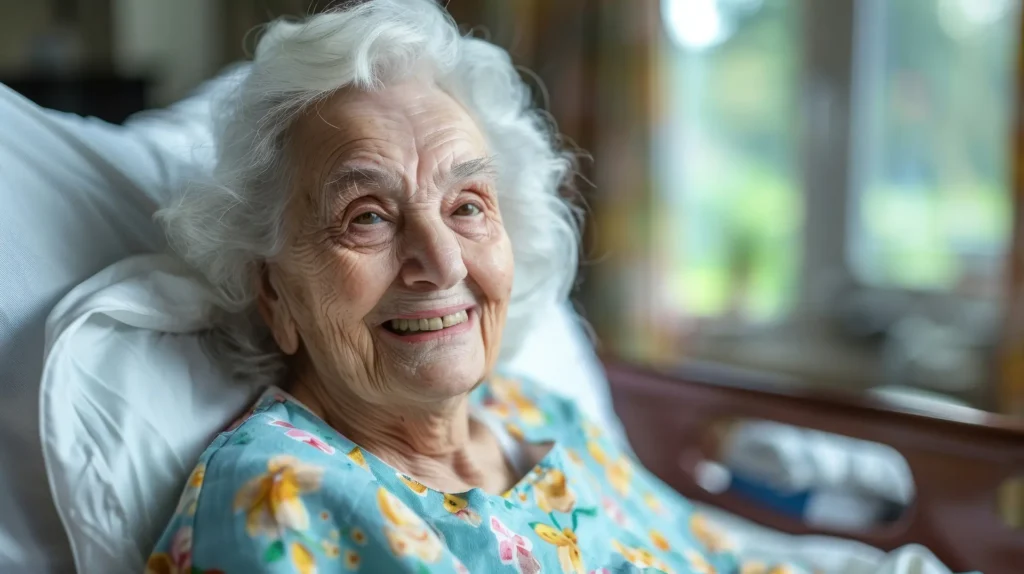
Isolation often leads to feelings of sadness and anxiety. Seniors who spend long periods alone may lose motivation or interest in activities they once enjoyed. In some cases, loneliness can contribute to depression and memory decline.
In addition, limited social interaction may increase stress levels. Emotional stress can impact sleep quality, appetite, and overall mood. Caregivers often notice changes such as irritability, forgetfulness, or withdrawal from conversations.
However, regular companionship helps older adults feel supported and valued. Simple daily interactions can improve confidence and emotional wellness.
How Isolation Affects Physical Health
The risks of isolation are not only emotional. Research shows that social isolation may increase the risk of high blood pressure, weakened immunity, and heart disease. Seniors who feel disconnected are also less likely to stay active or attend medical appointments.
Furthermore, isolated older adults may struggle with healthy routines. They may skip meals, avoid exercise, or neglect medications. Over time, these habits can affect long-term health.
Community living offers built-in opportunities for movement and wellness. Residents can participate in fitness classes, social programs, and group dining experiences. These activities encourage healthier lifestyles while building meaningful relationships.
Why Social Engagement Matters
Strong social connections support both mental and physical wellness. Regular interaction keeps the mind active and promotes a sense of belonging. For many seniors, community events and shared activities create joy and purpose.
At Norwood Crossing, residents can enjoy engaging programs, compassionate support, and opportunities to connect with others every day. The community offers assisted living, memory support, rehabilitation, and additional care services in a warm setting.
Social engagement also benefits caregivers. Families often feel relief knowing their loved one has access to supportive staff and daily companionship.
Signs a Senior May Be Isolated
Families should watch for common warning signs, including:
- Loss of interest in hobbies
- Changes in eating or sleeping habits
- Increased forgetfulness
- Avoiding phone calls or visits
- Low energy or sadness
Recognizing these changes early can help prevent further emotional and physical decline.
Helpful Resource for Families
The National Institute on Aging’s guide about loneliness and social isolation offers practical tips for helping older adults stay connected and engaged.
Building a More Connected Future
Isolation does not have to define the aging experience. With the right environment, seniors can enjoy friendship, activity, and purpose each day. Supportive senior living communities help residents maintain independence while creating meaningful social connections.
Families searching for compassionate senior living in Chicago can find comfort in a community focused on engagement and care.
Contact Us
To learn more about life at Norwood Crossing, contact the team today or call (972) 928-0811