
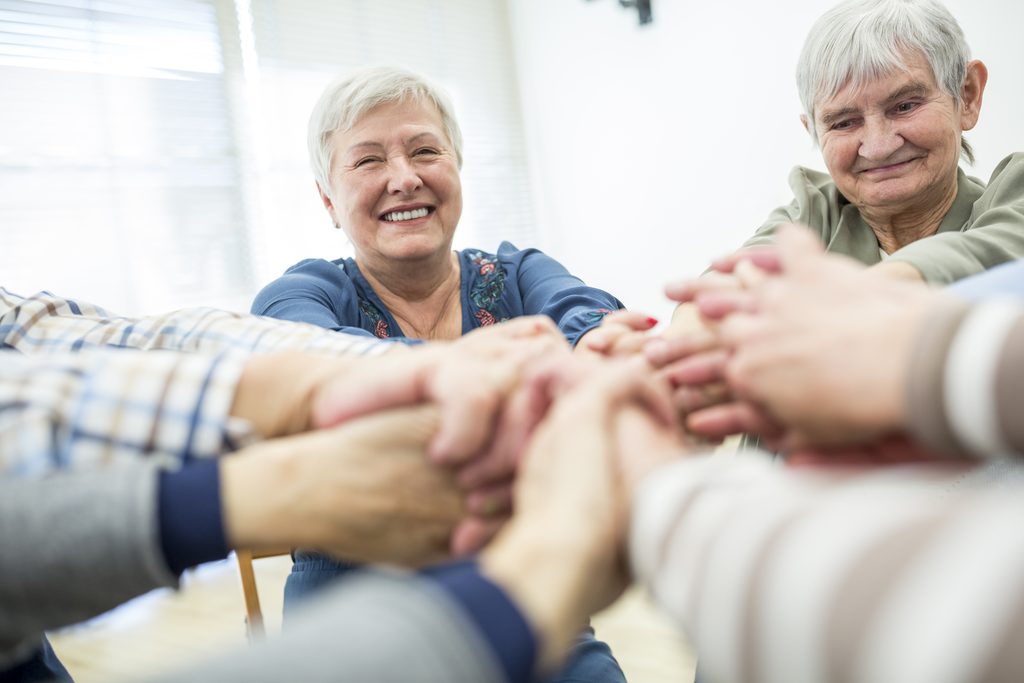
Staying connected can make every stage of life more meaningful. For older adults, senior social activities offer much more than a busy calendar. They create opportunities for friendship, purpose, learning, and enjoyment. Just as importantly, regular social interaction can support emotional and cognitive well-being.
At Norwood Crossing in Chicago, an engaging senior living environment can make those connections easier to build. Hobbies, group programs, and everyday conversations give residents opportunities to enjoy life alongside others.
Social Connection Supports Emotional Well-Being
Retirement can bring welcome freedom, but it may also change familiar routines. Friends may move away, family members may live at a distance, and transportation can become more challenging. As a result, maintaining regular social connections may require more effort.
However, the benefits are worth it. The National Institute on Aging’s guide to loneliness and social isolation explains that loneliness and social isolation are associated with increased risks for depression, heart disease, and cognitive decline.
Senior social activities can help create a stronger sense of belonging. A conversation over lunch, a shared hobby, or a friendly group activity can brighten the day. In addition, these moments give residents something enjoyable to anticipate.
Hobbies and Clubs Keep the Mind Engaged
Social activities can also encourage older adults to keep learning. Games, art projects, music, book discussions, and educational programs all provide mental stimulation. Better yet, residents can enjoy these experiences with friends.
Research highlighted by the National Institute on Aging’s cognitive health resources suggests that higher social engagement is associated with better cognitive health in later life. Activities such as volunteering and interacting with neighbors may help older adults stay mentally engaged.
Therefore, hobbies do more than fill free time. They can encourage curiosity, conversation, creativity, and continued personal growth.
Community Events Encourage Meaningful Friendships
Building friendships can sometimes feel harder later in life. Fortunately, senior living communities naturally bring people together.
Regular community events give residents opportunities to meet neighbors with similar interests. For example, a resident might connect with someone during an exercise class and later share a meal. Another friendship might begin during a game, celebration, or creative activity.
Over time, those small interactions can develop into meaningful relationships. Consequently, strong senior engagement can help residents feel recognized, included, and connected to the people around them.
Senior Living Makes Connection More Convenient
One advantage of community living is having social opportunities close to home. Residents do not always need to coordinate transportation or search for activities on their own. Instead, programs and shared spaces can make participation more convenient.
At Norwood Crossing, residents can experience a community-focused lifestyle in Chicago. Social opportunities can encourage residents to maintain interests, discover new ones, and form relationships with neighbors.
For caregivers and family members, this environment can also offer reassurance. Knowing a loved one has opportunities for conversation, recreation, and friendship can make the transition to senior living feel more positive.
Make Connection Part of Healthy Aging
Meaningful relationships remain important at every age. Whether through hobbies, friendships, clubs, or community events, staying involved can support a greater sense of purpose and belonging.
If you are considering senior living for yourself or someone you love, understanding your options is an important first step. Download our Family Decision Guide to help your family explore needs, priorities, and next steps.